
Understanding, Maintaining, and Replacing Wax Guards the Right Way
How to Replace an Ear Wax Guard on a Hearing Aid
Ear wax buildup can affect your hearing aid’s performance, causing sound distortion or reduced volume. Regularly replacing the ear wax guard ensures your device continues working efficiently. In this guide, we’ll walk you through why it’s important, how to replace it safely, and tips to maintain your hearing aids.
https://youtube.com/shorts/MWkB7__NWs8?si=Cq669bf-W_a5YAui
What is an Ear Wax Guard?
An ear wax guard is a small, replaceable filter located in your hearing aid’s receiver or sound outlet.
Its main purpose is to prevent ear wax, moisture, and debris from entering your device, which can damage internal components or block sound.
Even if your hearing aid seems to work fine, a clogged wax guard can reduce sound clarity or volume.
Signs Your Wax Guard Needs Replacing
It’s important to check your hearing aid’s wax guard regularly to ensure optimal performance.
You should replace the wax guard if you notice distorted or muffled sound, reduced volume even after adjusting the settings, visible ear wax or debris in the receiver, or frequent feedback and whistling noises.
As a general guideline, it’s recommended to inspect your wax guard every 1–2 weeks, although the frequency may vary depending on your individual ear wax production.
Regular maintenance helps prevent damage and keeps your hearing aid working clearly.
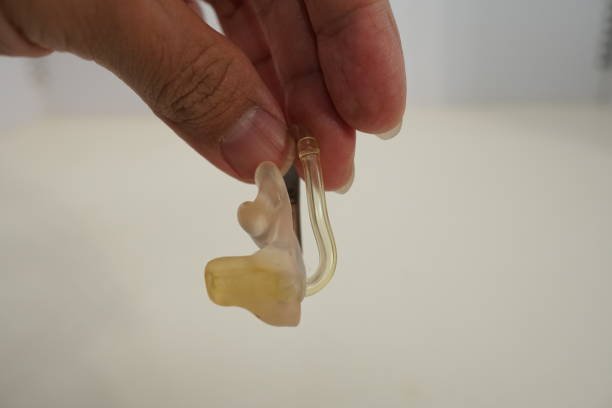
Tips for Maintaining Hearing Aids and Wax Guards
Proper maintenance of your hearing aids and wax guards is essential for keeping your devices working at their best.
Start by performing regular checks, ideally once a week, to make sure the wax guard is clean and free from blockage.
This simple habit can prevent sound distortion and reduce the risk of your device failing unexpectedly.
It’s also important to keep your hearing aids dry. Moisture is one of the most common causes of internal damage, especially for devices worn in warm or humid environments.
Using a hearing aid drying kit or dehumidifier at night helps remove trapped moisture and preserves the internal components, ensuring clear and consistent performance.
When handling your devices, always handle them gently.
Hearing aids contain delicate technology, and dropping them or applying too much pressure can cause cracks, loosen components, or affect sound quality.
Hold them over a soft surface when cleaning or replacing wax guards to avoid accidental damage.
Another essential habit is to store your hearing aids properly when not in use. Place them in a clean, dry case that protects them from dust, moisture, and accidental knocks.
Avoid leaving them in pockets, bathrooms, or near heat sources, as these environments can negatively affect battery life and overall durability.
Why Professional Guidance Matters
While replacing a wax guard is generally a simple process, it’s easy to make mistakes that may accidentally damage your hearing aid.
Hearing aids contain delicate components, and improper handling such as inserting the wax guard incorrectly, using too much pressure, or attempting to clean sensitive areas can lead to reduced performance or costly repairs.
This is why professional support remains so valuable, even for routine maintenance tasks.
Audiologists are trained to replace wax guards safely and efficiently, ensuring the device is protected throughout the process.
During a professional visit, they can also clean the hearing aid thoroughly, removing wax, debris, and moisture that may not be visible to the eye.
More importantly, they can check for other issues that could be affecting your device’s performance, such as microphone blockages, worn components, or incorrect settings.
At Hayes Ear Clinic, we provide comprehensive hearing aid maintenance and personalised guidance to help you get the best results from your device.
Our team ensures that every hearing aid functions at its optimal level, giving you clearer sound, better comfort, and peace of mind knowing your hearing health is in expert hands.
Conclusion
Replacing your ear wax guard may seem like a small task, but it plays a major role in keeping your hearing aid performing at its best.
By taking a few minutes to check your wax guard regularly, handling your device with care, and replacing the filter when needed, you can prevent blockages, protect delicate internal parts, and ensure consistently clear sound.
These simple habits go a long way in extending the lifespan of your hearing aid and maintaining the quality of your hearing day-to-day.
However, at times you may need additional support or a professional assessment to ensure everything is functioning correctly.
Whether you’re experiencing reduced volume, frequent wax buildup, or simply want peace of mind, the specialists at Hayes Ear Clinic are here to help.
We offer expert hearing aid maintenance, personalised advice, and comprehensive hearing care tailored to your needs.
For more hearing tips or to book professional assistance, contact Hayes Ear Clinic today, your hearing health is always our priority.